 I have ended up at the Sorrento Centre this weekend with a wonderfully creative and passionate group of young people. It wasn’t something I had planned on doing: my plane ticket was booked on Monday. We are here for the intake of this year’s group of 50 Leaders. It is a program that I am extraordinarily excited to be participate with and to
 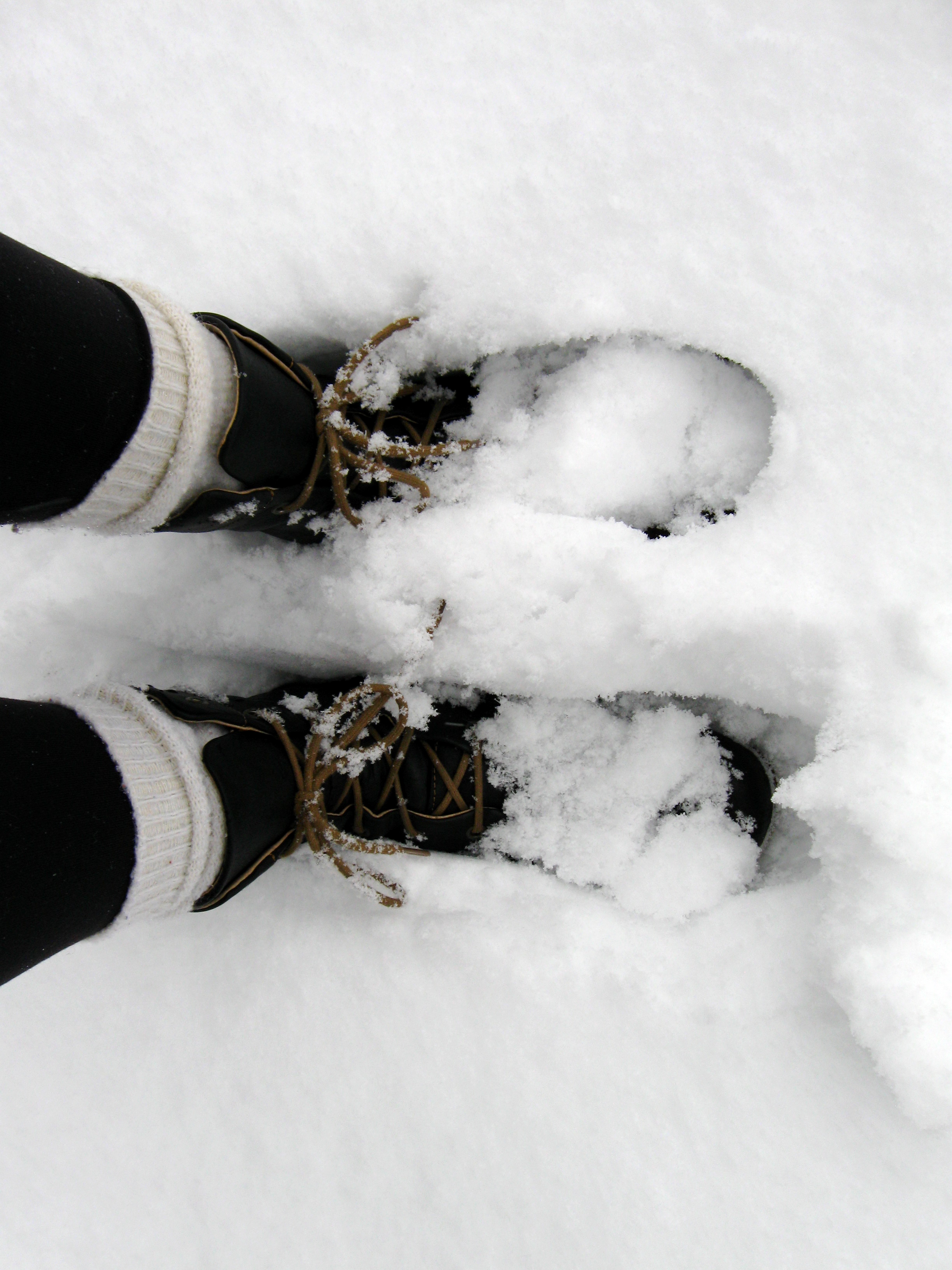 somehow have a small part to play in the lives of some teenagers who will now be going home to impact their communities. I’ve never been to Sorrento before, though I’ve heard lovely things about it. It snowed today and I may have let out a small squeal of delight – I thought I was done with snow after our two day snowpocalypse two weeks ago. I’ve had my fill now, having gone for a bit of a tramp through the snow this afternoon.
Tag Archives: pwrdf
Any responsible society should guard its integrity by respecting the rights of minorities: if not for the sake of justice, then for the salvation of society itself. For it is from the disadvantaged and often disenfranchised that new wisdom comes. This is a lesson we can learn from the study of nature, for in nature new changes generally come from the margins of stable systems, rather than from the stable areas. System theory in thermodynamics and in biology will often show that closed systems do not lead to progress or change, whereas open systems can bring about change and innovation.
Graham Cotter, “Redemptive Ministries”, Cotter’s Weekly #61 (Taken from the ED Report for PWRDF’s AGM this weekend.)
On the Theme of Africa
I have been reflecting on the news coming out of East Africa. Now that it is officially a famine, people are beginning to pay attention to what others have been warning about for years.
 Two years ago, I had the privilege of visiting Kenya and spending time talking with many incredible people about their lives and their experiences. I was visiting my Dad and Stepmother, who volunteer with a relief organization and who were at the time overseeing a food distribution project in parts of Kenya that had been hit hard by a lack of rain for several years.
As a part of their work, we had discussions with groups of individuals in each village we went to in order to learn more about the people of that village and what their particular needs were. I will never forget one man’s response when asked how his village was faring, Some people in my village have found chemical drugs. Because you bring us food, we will not have to use them. The pain, or shame, of being unable to feed your family must be unbearable. And now it is happening on an even larger scale than even two years ago when I visited Kenya. At the time, I ranted about water use. In a post on Dad’s blog, I wrote:
Since we arrived here we have been able to take part in four food distributions in vastly different areas of the country. While each community has unique challenges and situations, they are united by a need for food relief brought on by a lack of rain. In each place, we sat down with a small group of villagers to find out how they are coping, and in each place we heard a similar story: The rains have not come. In many cases, the rains have not come for three or four years. We have heard stories of livestock (and therefore livelihood) dying for lack of rain. We have heard stories of repeated crop failure so that now there are no seeds left to plant. … We visit villagers and hears stories of drought: “If only we had a borehole/proper irrigation/a pump…” – whatever it may be that they need to get water.
I am not going to make an impassioned plea for your money for Africa. But I will say this, CIDA is currently matching donations, dollar for dollar, for the “Horn of Africa Drought”. If you are looking for a good organization to go through, I can vouch for PWRDF and our partner organizations in East Africa.
50 Leaders
On the off chance that some young-ish Anglicans find themselves reading this occasionally, you should apply to 50 Leaders.
All of the people in this video are awesome and, as of about 5 weeks ago, are good friends.
Placemats and Genocide
When I tell people that I am on PWRDF’s Youth Council, the first predictable response is “What is PW… something?”. After explaining it as the Primate’s World Relief and Development Fund, the relief, development, and social justice arm of the Anglican Church of Canada (pwrdf.org), the next question usually asks about monkeys.
All joking aside, I am delighted to be a part of the Youth Council because I believe strongly in the work that PWRDF does and want every Canadian Anglican (or really just every Canadian) to know about it and understand the importance of their and their church’s support.
My first awareness of PWRDF has a very specific start-date: I can still picture the placemat. I grew up in a parish in the Diocese of Ontario. Our parish had (still has?) a wonderful tradition of Wednesday morning Lenten services followed by breakfast together in the parish hall. In my memory, there were a good number of people who would attend before heading off to work – my parents faithfully went every week, bringing their two young children. At breakfast, each long table was set with PWRDF placemats. I remember sitting at the table, looking at the pictures and being captivated by the images portrayed. However, what stands out to me even more than the images on the placemats is the memory of a church lady standing before everyone with one of the placemats and exhorting us to Stop! and Pay Attention! to the images and messages contained on the placemats and then Do Something! about it.
You see, this was the season of Lent 1994, a time in which the tensions in Rwanda were at the boiling point. We, through PWRDF and other organizations, were being urged to take a stand and write letters to our government to urge them to support actions to help prevent a genocide. I didn’t fully understand the gravity of the situation being described until years later, upon reading accounts of the events and putting 2 + 2 together. However for me, PWRDF placemats will always be a reminder of a call to action, of a call to seek justice, love mercy, and walk humbly with my God.
Furthermore…
I’m in Vancouver for a series of meetings this weekend. I am the new BC/Yukon representative for the Primates World Relief and Development Fund (PWRDF) – the international development and social justice arm of the Anglican Church of Canada. I’m looking forward to finding out more about what that will entail and getting involved in some of these important issues!
Further to that, I have received an electronic reply to my letter to the Prime Minister. It just said my letter had been received. I have sent it off by post as well. The enthusiastic and encouraging response I received here and on Facebook was unexpected and really quite lovely! Thank you for your kind words.
 gillian's island